

Conference date: 28 May 2025 from 8.30 AM to 4.10 PM
Location: Estonian Academy of Security Sciences, Kase 61, Tallinn
Since the Russian full-scale military invasion of Ukraine on 24 February 2022, 6.3 million people have been forced to flee their homes. The Council of the European Union has extended temporary protection until March 2026, yet there remains a need to identify sustainable solutions to ensure stability and economic independence of the war refugees both in their host countries and, when possible, upon their return to Ukraine.
EMN Estonia invites you to the national conference Beyond Temporary: Building for the Future to explore the future of Ukrainian war refugees beyond temporary protection. This conference will bring together policymakers, experts, and stakeholders to discuss strategies for policy transitions, address employment related integration challenges, share best practices, and examine the role of the diaspora in supporting long-term solutions.
Conference recording:
[card-collapse][card-collapse-title]Briefing paper[/card-collapse-title][card-collapse-body]Download the conference summary
[/card-collapse-body][/card-collapse]
[card-collapse][card-collapse-title]Agenda[/card-collapse-title][card-collapse-body]8:30 – 09:00 Registration and morning coffee
9:00 – 9:30 Opening of the conference and welcome remarks
- Veiko Kommusaar, Deputy Director General, Estonian Police and Border Guard Board
- Annely Kolk, Ambassador of Estonia to Ukraine (online presentation)
09:30 – 10:40 Keynote and introductory speeches
A broader perspective, including migration prospects, impact of ongoing conflict dynamics in Ukraine on long-term planning, rights and responsibilities of war refugees, diaspora engagement, possible exit strategies
- Keynote speech: From Temporary Protection to Durable Solutions: Envisioning the Future of Ukrainians in Europe, Dr Meltem Ineli Ciger – Associate Professor, Suleyman Demirel University Faculty of Law, Public International Law Department
- Elena Gobbetti, European Commission, DG Home Asylum Unit (online presentation)
10:40 – 11:00 Coffee break
11:00 – 13:00 Session I: Transition from temporary measures to long-term approaches
The first panel will focus on long-term plans and strategies for persons under temporary protection or similar protection statuses, following the end of these arrangements. What are the legal and policy options for BoTP to transition to more permanent residence statuses? Should there be an EU-wide approach to long-term solutions for BoTP, or should policies remain country-specific? How should policymakers balance the stability and initial integration of war refugees in host countries against the ethical and strategic considerations of return?
- Options for phasing out temporary protection, Martin Wagner – Senior Policy Advisor Asylum, ICMPD
- Latest trends on displaced persons from Ukraine: Temporary protection and Surveys with Arriving Migrants from Ukraine, Marja Lahtinen, Asylum Processes Officer, EUAA Asylum and Reception Cooperation and Guidance Unit
- Czechia and the migration wave from Ukraine: Taking stock and planning for next steps, Jan Werner, Head of the Unit for EUAA Affairs, Department for Asylum and Migration Policy of the Ministry of the Interior of the Czech Republic
- Moldova’s Outlook After the End of Temporary Protection: Challenges and Scenarios for Next Steps, Elena Coliujco, representative of EMN Moldova and head of the Directorate for Integrated Border Management, Migration, and Asylum Policy at the Ministry of Internal Affairs (MIA)
- Temporary Collective Protection in Norway – Experiences So Far And Challenges Ahead, Hege Laskemoen, Senior Adviser in the Legal Affairs unit in the Norwegian Directorate of Immigration
The presentations will be followed by a panel discussion.
13:00 – 14:00 Lunch
14:00 – 16:00 Session II: Rebuilding lives following displacement: labour market integration and role of diasporas
The second session will focus on the successful integration of BoTP, including main challenges, lessons learned and good practices in the labour market integration as well as the role of the Ukrainian diaspora. What are the primary barriers to Ukrainian BoTP’s participation in the labour market? What role can the Ukrainian diaspora play in integration? Have the benefits provided to BoTP been proportionated?
- Ukrainian Refugees in Host Labour Markets – a Snapshot, David Mosler, Policy and Data Analyst, Interntional Labour Organization (online presentation)
- Bridging Here and There: The Multifaceted Role of the Ukrainian Diaspora in Integration, Recovery and Return, Ave Lauren, Migration Policy Analyst, OECD
- Integration Under Crisis Conditions: Lessons from Poland, Aleksandra Jawornicka, Chief Specialist, Integration Team, Social Integration Department at Ministry of Family, Labor and Social Policy in the Republic of Poland
- Eugenija Kovaliova, CEO of Ukreate Hub and International Projects Lead at Open Lithuania Foundation
- Labour Market Bridges and Skills for the Future: How Education Can Support Ukraine’s Reconstruction, Kristi Lillemägi, Ukraine Project Manager, NGO Mondo, Estonia
- Beneficiaries of International Protection at Estonian Unemployment Insurance Fund, Natalja Pavlova, Chief Specialist and Internal Trainer at Unemployment Insurance Fund, Estonia
The presentations will be followed by a panel discussion with the following participants: David Mosler, Ave Lauren, Aleksandra Jawornicka, Eugenija Kovaliova, Ulla Saar (Deputy Secretary General for Labour and Equality Policies, Ministry of Economic Affairs and Communications of Republic of Estonia)
16:00 – 16:10 Closing remarks: Barbara Orloff, EMN Estonia
The conference is moderated by Indrek Treufeldt
[/card-collapse-body][/card-collapse]
[card-collapse][card-collapse-title]Presentations[/card-collapse-title][card-collapse-body]Options for phasing out temporary protection (ICMPD), Martin Wagner
Latest trends on displaced persons from Ukraine: Temporary protection and Surveys with Arriving Migrants from Ukraine (EUAA), Marja Lahtinen
Czechia and the migration wave from Ukraine: Taking stock and planning for next steps, Jan Werner
Moldova’s Outlook After the End of Temporary Protection: Challenges and Scenarios for Next Steps, Elena Coliujco
Temporary Collective Protection in Norway – Experiences So Far And Challenges Ahead, Hege Laskemoen
Ukrainian Refugees in Host Labour Markets – a Snapshot (ILO), David Mosler
Integration Under Crisis Conditions: Lessons from Poland, Aleksandra Jawornicka
Ukreate Hub, Eugenija Kovaliova
Labour Market Bridges and Skills for the Future: How Education Can Support Ukraine’s Reconstruction, Kristi Lillemägi
Beneficiaries of International Protection at Estonian Unemployment Insurance Fund, Natalja Pavlova
[/card-collapse-body][/card-collapse]
[card-collapse][card-collapse-title]Presenters[/card-collapse-title][card-collapse-body]
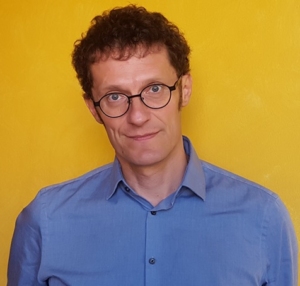 |
Martin Wagner is a Senior Policy Advisor Asylum in ICMPD’s Policy Unit. His work focusses on the Common European Asylum System, temporary protection, asylum responsibility sharing, complementary pathways to protection, and the Pact on Migration and Asylum.
|
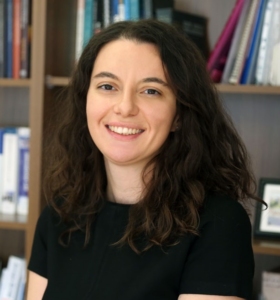 |
Dr Meltem Ineli Ciger is an Associate Professor of International Law at the Suleyman Demirel University Faculty of Law, specializing in temporary protection and refugee law. Recently, she has been working on the temporary protection of Ukrainians in the EU, mass influx governance, the new EU Crisis Regulation and the intersection of migration law with Artificial Intelligence. |
 |
Elena Coliujco is the current head of the Directorate for Integrated Border Management, Migration, and Asylum Policy at the Ministry of Internal Affairs (MIA) of the Republic of Moldova. She is actively leading multiple projects aimed at reforming Moldovan immigration and asylum legislation, aligning it with European standards. |
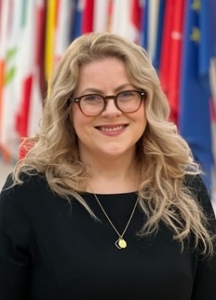 |
Dr. Ave Lauren is a Migration Policy Expert at the OECD, focusing on the Ukrainian displacement crisis within the Directorate for Employment, Labour and Social Affairs. Her recent work addresses the socio-economic integration of displaced Ukrainians, diaspora engagement, and strategies for planning sustainable return and reintegration in Ukraine. |
 |
Jan Werner has worked at the Czech Ministry of the Interior’s Department for Asylum and Migration Policy since 2019. As Head of Unit for EUAA Affairs, his current responsibilities include cooperation with the EUAA and other international partners, as well as managing projects in the field of asylum. In this capacity, he has been a part of Czech Republic’s response to the migration wave from Ukraine. |
 |
Eugenija Kovaliova is the CEO of Ukreate Hub and Internationals Projects Lead at Open Lithuania Foundation. Over the past six years, she has focused on migration-related initiatives, combining policy insight with hands-on project implementation. She is also the co-founder of OSMOS, a Lithuanian research, policy, and consultancy center that builds partnerships between the Baltics, Africa, and other often-overlooked regions. |
 |
Aleksandra Jawornicka is a sociologist, researcher and volunteer. Since 2024, she has been working in the Department of Social Integration, responsible for analyzing foundational data in the areas of migration and integration. She has initiated a number of projects integrating the Ukrainian minority community with Ukrainian migrants between 2000 and 2025.
|
 |
Veiko Kommusaar is the Deputy Director General at the Estonian Police and Border Guard Board. Kommusaar has held various positions within the Police and Border Guard Board and has contributed to the field of criminal and public order policy in different roles at the Ministry of the Interior. He has also served as the Deputy Secretary General for Internal Security. |
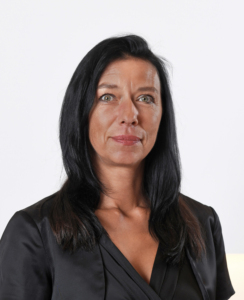 |
Annely Kolk is an Estonian Ambassador to Ukraine. She has been working in the Ministry of Foreign Affairs since 1999. From 2007-2010 she served as a diplomat at the Permanent Representation of Estonia to the UN in Geneva on policy matters pertaining to the UN and other international organisations. From 2014-2019 she served as the ministry’s undersecretary. She was then appointed as Estonia’s ambassador to Turkey (also accredited for Iran and Azerbaijan), a post in which she remained until 2023. |
 |
Indrek Treufeldt is an Estonian civil servant, journalist, and lecturer. He has worked as the press officer for President Lennart Meri, as a host and correspondent in Brussels for Estonian Public Broadcasting. From 2021 to 2024, Treufeldt served as Public Relations Adviser to President Alar Karis. Since 2016, he has been an Associate Professor of Television Journalism at Tallinn University. |
 |
Kristi Lillemägi leads an NGO Mondo’s project on developing digital capacity in Ukrainian vocational education, as part of the crowdfunding initiative Skills4Recovery. Previously, she worked at the Integration Foundation and at the Ministry of the Interior, where she coordinated the implementation of the Asylum, Migration and Integration Fund. |
 |
Ulla Saar is a Deputy Secretary of Labour at the Ministry of Economic Affairs and Communications in Estonia. She has over 10 years of experience in labour market and social policy, with a strong focus on EU affairs and strategic policy development. She has also represented Estonia in EU-level negotiations and worked with the OSCE and the European Commission. |
 |
Natalja Pavlova works at the Estonian Unemployment Insurance Fund as a Chief specialist and Internal Trainer in the Jobseekers services department. In her position, she trains employees and supports beneficiaries of international protection in finding suitable employment and integrating into the Estonian labor market. |
 |
Marja Lahtinen is an Asylum Processes Officer at the EUAA Asylum and Reception Cooperation and Guidance Unit. Her work focuses on supporting EUAA Member States in ensuring effective access to the asylum procedure and providing well-functioning asylum systems that are prepared for process applications for international protection, including from beneficiaries of temporary protection. |
 |
David Mosler is a Policy and Data Analyst in the crisis team of the International Labour Organization. He leads the ILO’s global analytical work in conflict and disaster-affected countries. He previously worked in the ILO’s Regional Office for Europe and Central Asia, where he coordinated the ILO response to the war in Ukraine and to the 2023 earthquake in Türkiye. |
 |
Elena Gobbetti joined the European Commission in 2019 to work on Schengen evaluations. After working on free movement, legal migration and information systems in various units of DG HOME and DG JUST, she joined the Asylum Unit as policy and legal officer in 2022. There she is responsible for the Temporary Protection Directive and the Crisis Regulation. She has been also supporting the team on the Asylum Migration Management Regulation. |
[/card-collapse-body][/card-collapse]
[card-collapse][card-collapse-title]Rationale[/card-collapse-title][card-collapse-body]According to UNHCR, 6.3 million people have been forced to flee Ukraine since the Russian full-scale military invasion to Ukraine on 24 February 2022. Ukraine has suffered massive human casualties and the destruction of infrastructure, with people being forced to flee their homes in search of safety, protection, and assistance. As of 31 December 2024, more than 56 000 persons have received temporary protection from Estonia.
For the first time in the history of the European Union (EU), the Council of the European Union decided on 4 March 2022 to implement the Temporary Protection Directive to protect people fleeing the war in Ukraine. On 25 June 2024, the Council decided to extend the validity of temporary protection until March 2026. Although temporary protection gives refugees access to the labour market, education, healthcare, and social services similar to local residents, the question arises as to how to maintain and strengthen the refugees’ quality of life after the end of temporary protection. Since the war has already lasted for three years, it is important for the host countries to start planning for long-term solutions alongside temporary protection.
One of the key aspects in finding long-term solutions for war refugees is ensuring labour market integration. Despite many people from Ukraine successfully entering the workforce in host countries, several obstacles exist that hinder their smooth integration into the labour market. Language barriers, the recognition of qualifications, and adapting to labour market conditions are among the main challenges. To transition from temporary solutions to more permanent ones, it is crucial to address these bottlenecks. Strengthening labour market integration not only promotes economic independence but also supports broader social inclusion, facilitates better adaptation to the host society, and prepares displaced persons from Ukraine for the possibility of returning to Ukraine in the future. At the same time, engaging the Ukrainian diaspora in host countries can play an important role as a bridge between temporary protection frameworks and more permanent settlement pathways.
The opening of the conference `Beyond Temporary: Building for the Future´ will provide a comprehensive overview of the current situation of beneficiaries of temporary protection (BoTP) from Ukraine, present the EU’s and other states approach to meeting their needs, and outline possible future pathways. It will also briefly address broader issues related to Ukraine’s reconstruction and highlight the important role of diaspora engagement in supporting long-term solutions.
The first panel of EMN Estonia’s national conference will focus on long-term plans and strategies for persons under temporary protection or similar protection statuses, following the end of these arrangements. The second part of the conference will address integration challenges and good practices, with a particular emphasis on labour market integration and diaspora engagement.
[/card-collapse-body][/card-collapse]